London, British Library MS Add. 15,403
Deborah Hayden
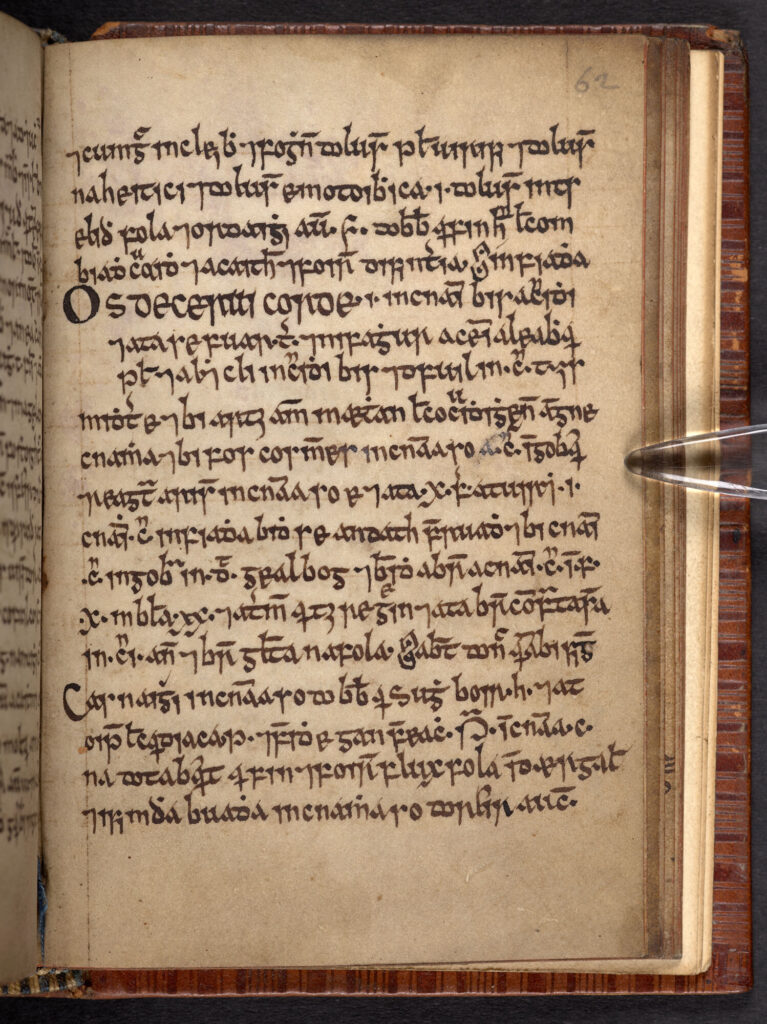
Figure 1: London, British Library MS Add. 15,403, fol. 62r: an entry detailing the medicinal properties of a bone from a stag’s heart. Image courtesy of the British Library.
This sixteenth-century medical manuscript of 70 folios is imperfect at either end, which may explain why it contains no information regarding the scribe’s name, place and date of writing. A note in English in the lower margin of fol. 50b states that ‘Mac: ffargus is the true possesor of this booke’, leading O’Grady (1926: 223) to suggest that it may have once been associated with the hereditary Beaton family of medical practitioners in Scotland, several of whose members bore the name Fergus (Bannerman 1998: 153).
The extant portion of the manuscript contains a finely written tract on materia medica, comprising 167 entries across animal, mineral and plant categories. Although numerous Latin authorities are cited, including Platearius, Rhazes, Dioscorides and Macer, the text is evidently a compilation culled from various sources. Each article begins by listing the Latin name of an ingredient followed by its Irish translation, after which the ingredient’s properties and uses are described in the vernacular. For example, it is stated on fol. 9 that gold, when taken internally, is good for the heart, comforts the stomach, and helps the leprous. Elsewhere (fol. 51), the blood of the hare is said to be good for purging film and web from the eyes and causing hair to grow on the head. The bone of a stag’s heart, which is distinguished from that of a goat (the latter of which, the compiler notes, is often sold fraudulently in its place), can last for thirty years if dried in the sun and ‘has the property of comforting the heart, and of cleansing the blood’ (atá brigh comfurtachta in craidhi ann ocus brigh glanta na fola; fol. 62 and Figure 1).
BL MS Add. 15,402 was recently digitised by the British Library on behalf of the LEIGHEAS project.
Further reading:
- Bannerman, John (1998), The Beatons. A Medical Kindred in the Classical Gaelic Tradition (Edinburgh: John Donald)
- O’Grady, Standish H. (1926), Catalogue of Irish Manuscripts in the British Library [formerly British Museum], Volume 1 (London: British Museum; repr. Dublin: DIAS, 1992), pp. 222–31
- Stokes, Whitley (1888), ‘On the materia medica of the mediaeval Irish’, Revue celtique 9: 224–44